A Landmark for Leander. A Legacy for Generations.
Leander Springs
A conservation-first master-planned development designed to bring luxury lifestyle amenities, jobs, and impact to our community.
Project Overview
Leander deserves something extraordinary.
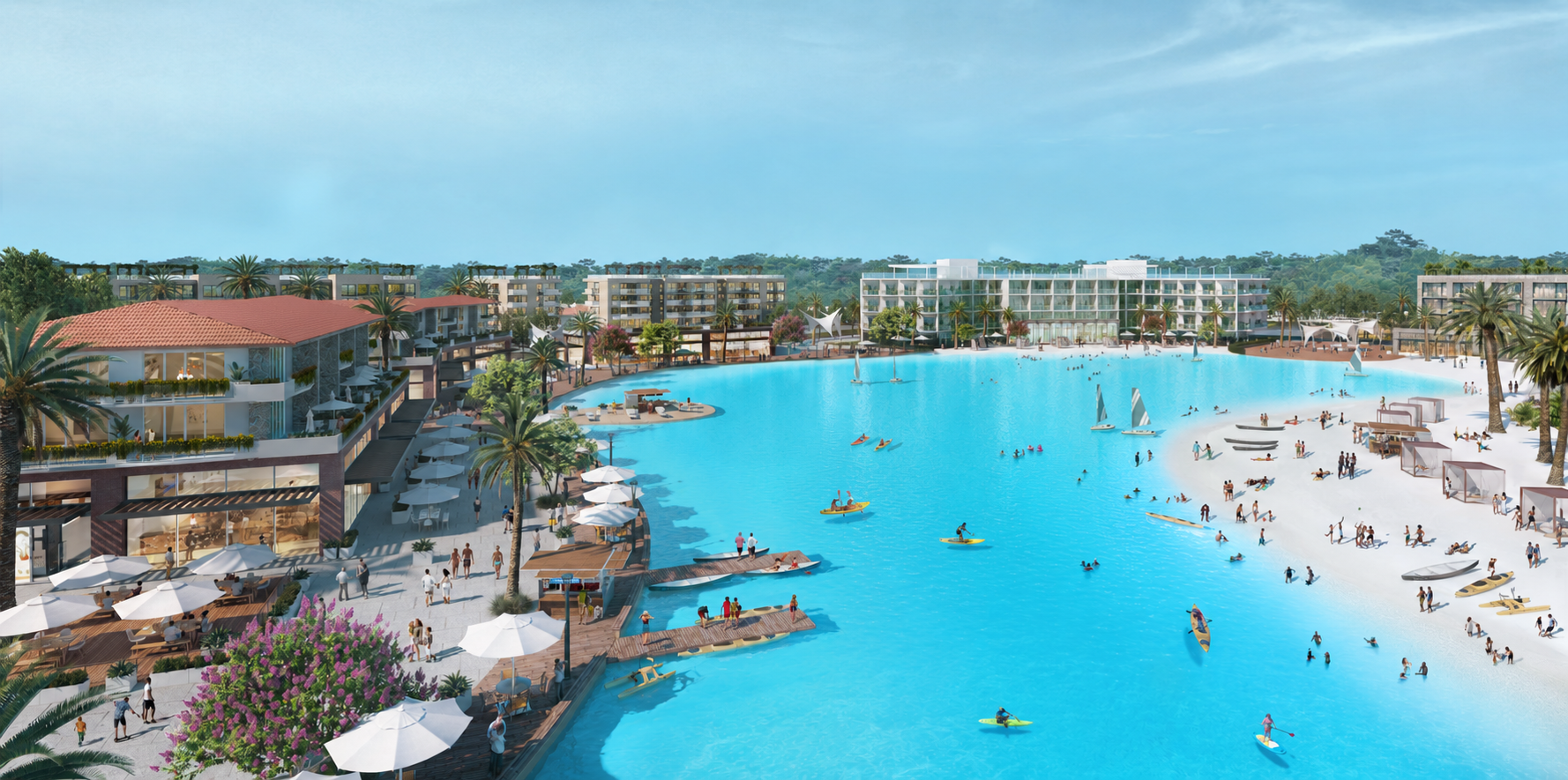
Leander Springs is more than a development. It is a 78-acre, conservation-first destination shaped by feedback from residents, business owners, and City Council.
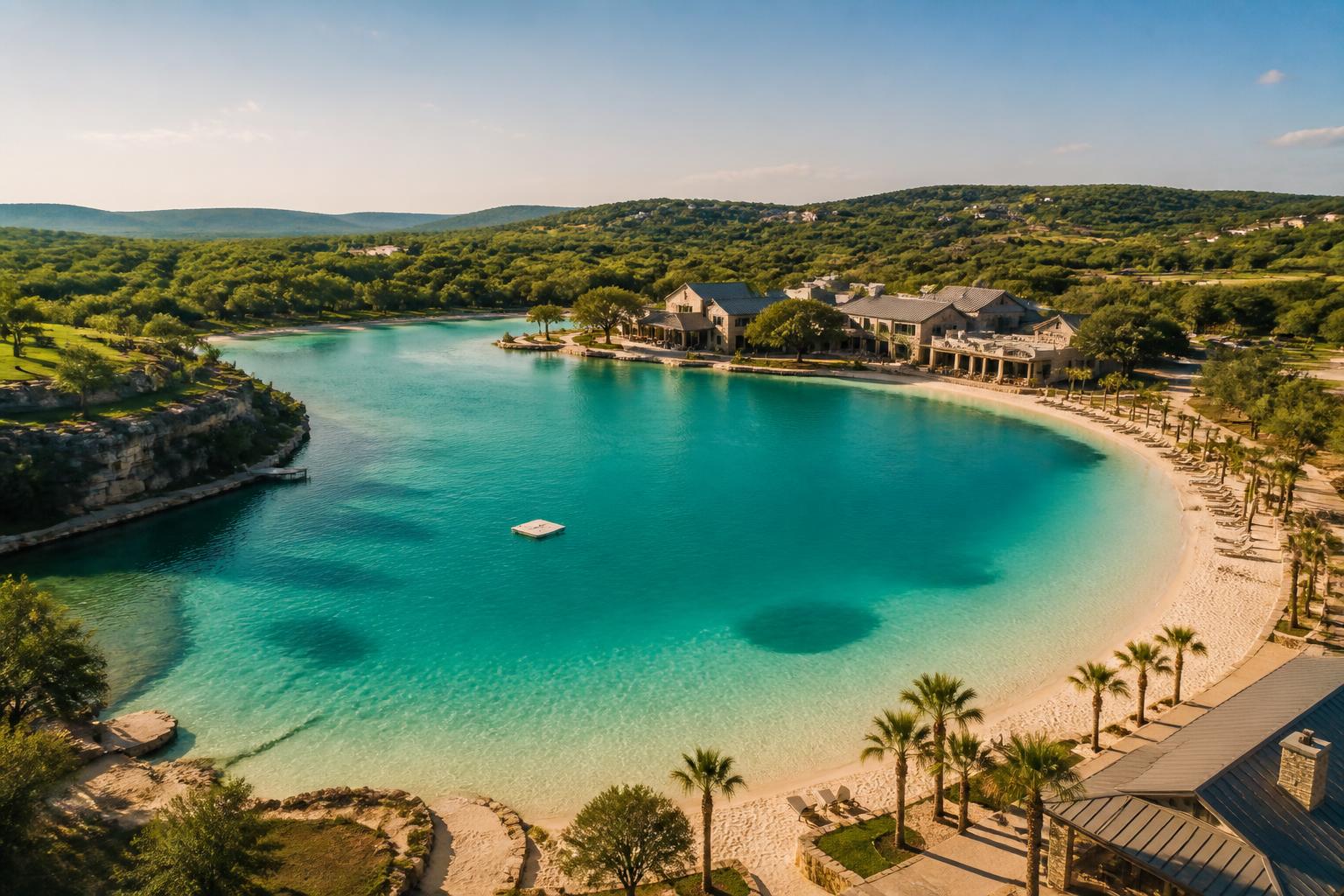
Centered around a chemical-free, four-acre lagoon, the community brings together homes, shops, hospitality, public trails, and gathering spaces where families can connect, businesses can grow, and more of Leander’s prosperity can stay local.
Designed to be a better neighbor, Leander Springs features lower density than originally approved, an independent water strategy that does not rely on the city supply, and significant long-term economic benefits for Leander’s schools, parks, and infrastructure.
The Project at a Glance
A landmark neighborhood, by the numbers.
THE LAGOON
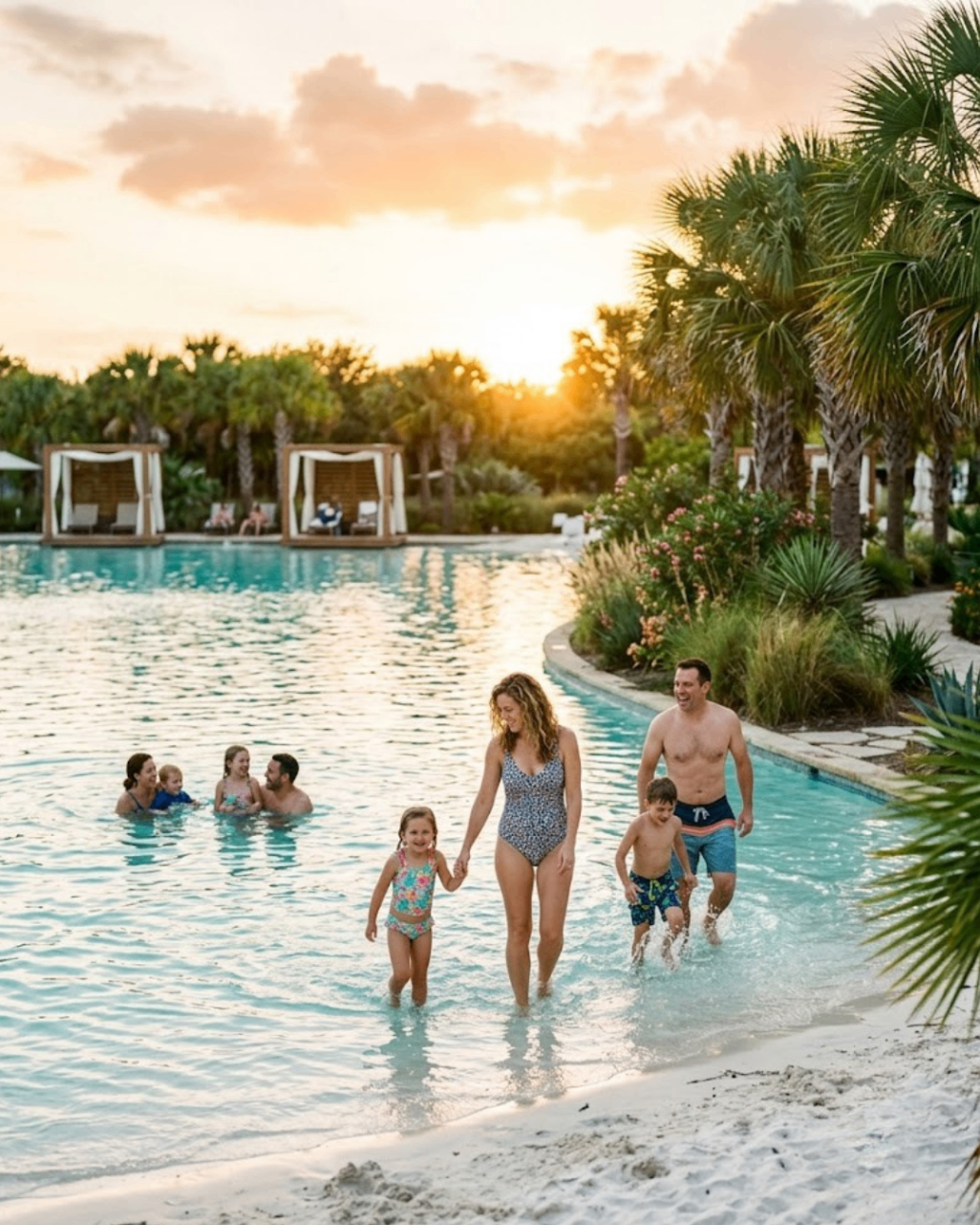
Your Backyard Beach
Imagine having a resort-style beach destination right here in Leander. The four-acre recreational lagoon will create a place for families, friends, and neighbors to relax, gather, and enjoy the water—without having to leave the community. Designed with conservation-first technology, it brings the experience of a destination getaway closer to home while protecting Leander's resources.
SWIMMING
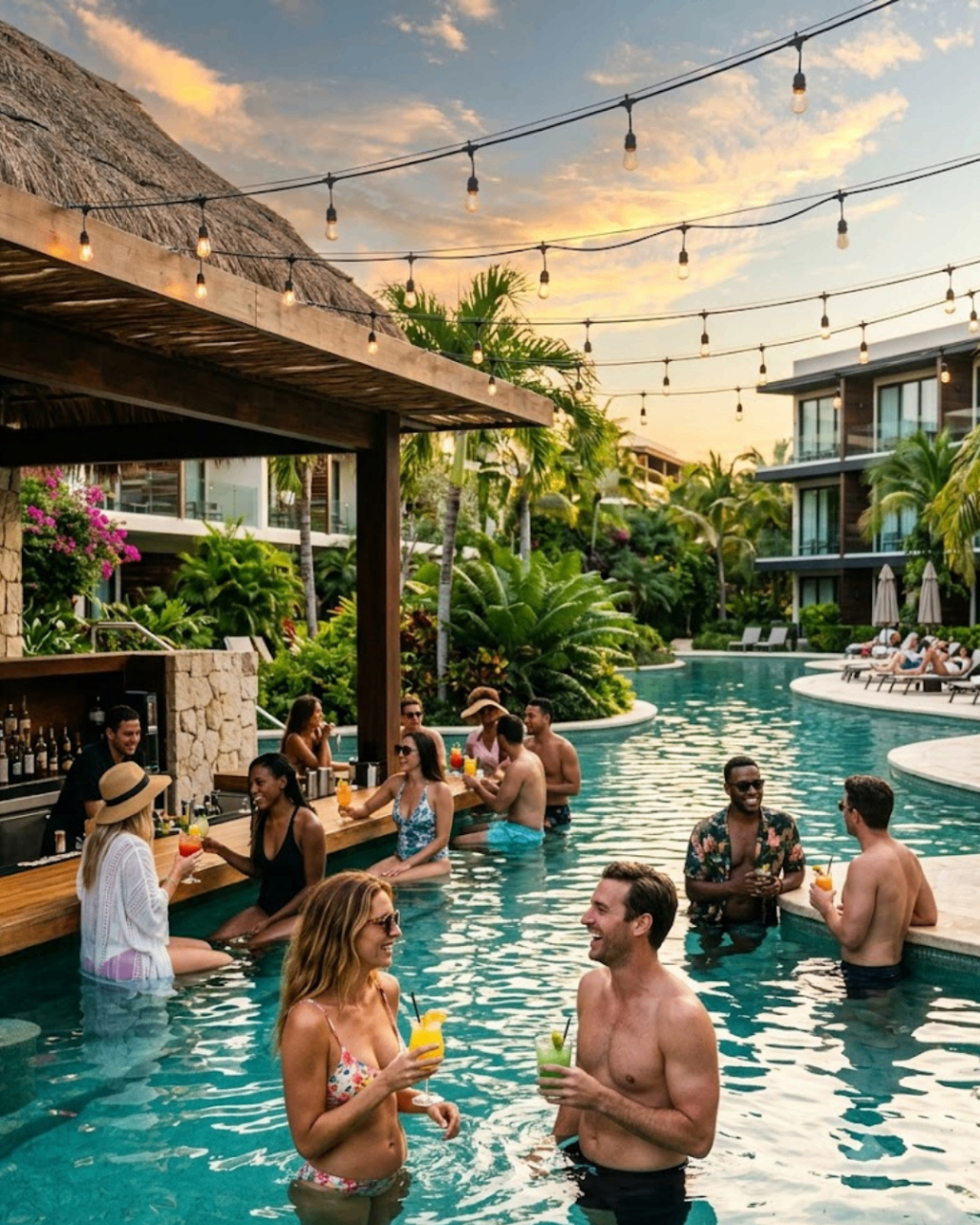
Swim-Up Bar Season
Sunny afternoons feel different when the water is only a few steps away. The swim-up bar will create a relaxed place for adults to unwind, meet friends, and enjoy the resort atmosphere without leaving Leander.
FAMILY FUN
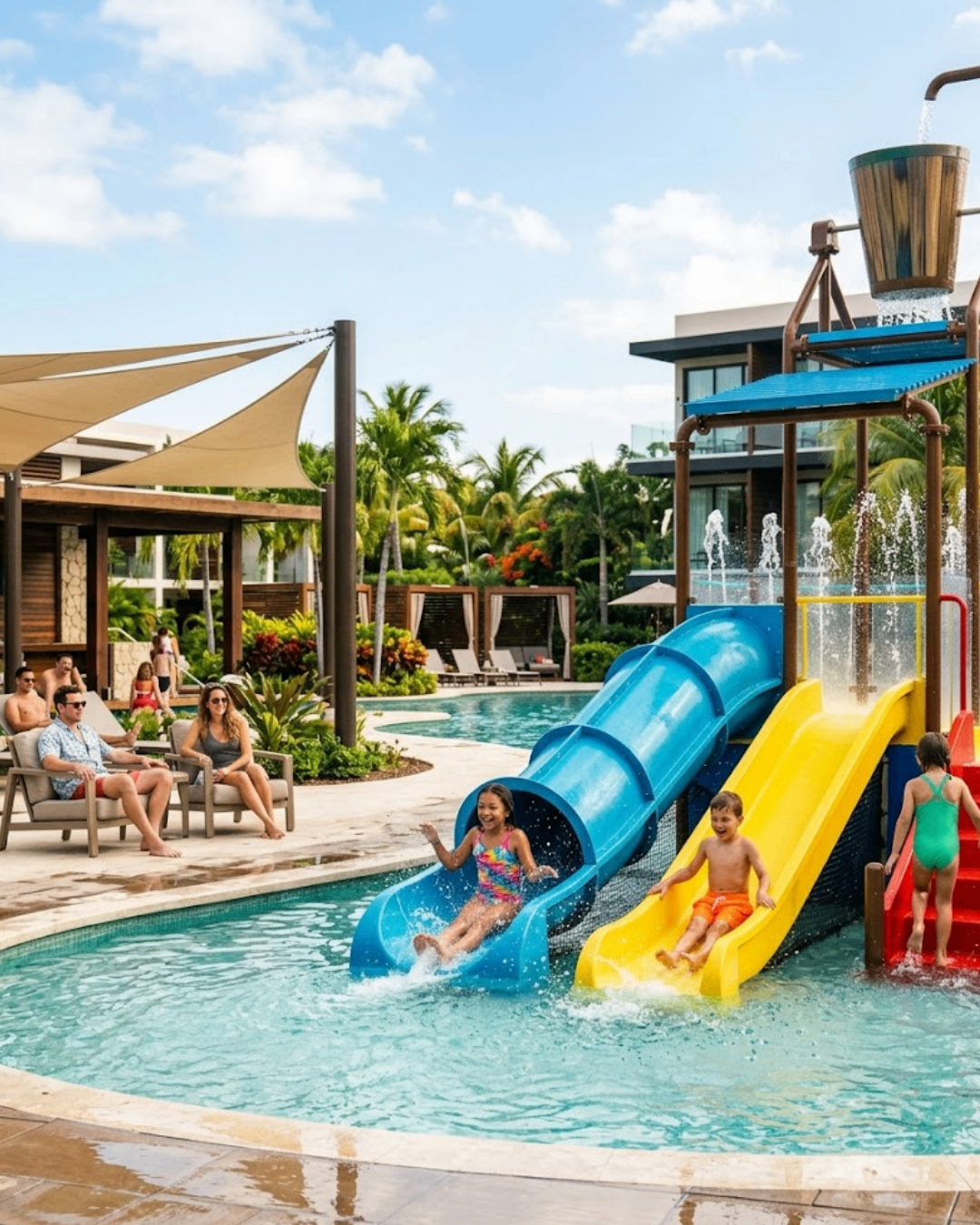
Kids Rule the Waterpark
This is where kids can splash, climb, play, and make the kind of summer memories families usually travel to find. The waterpark is designed to give Leander families a fun, active destination close to home.
SHOPPING
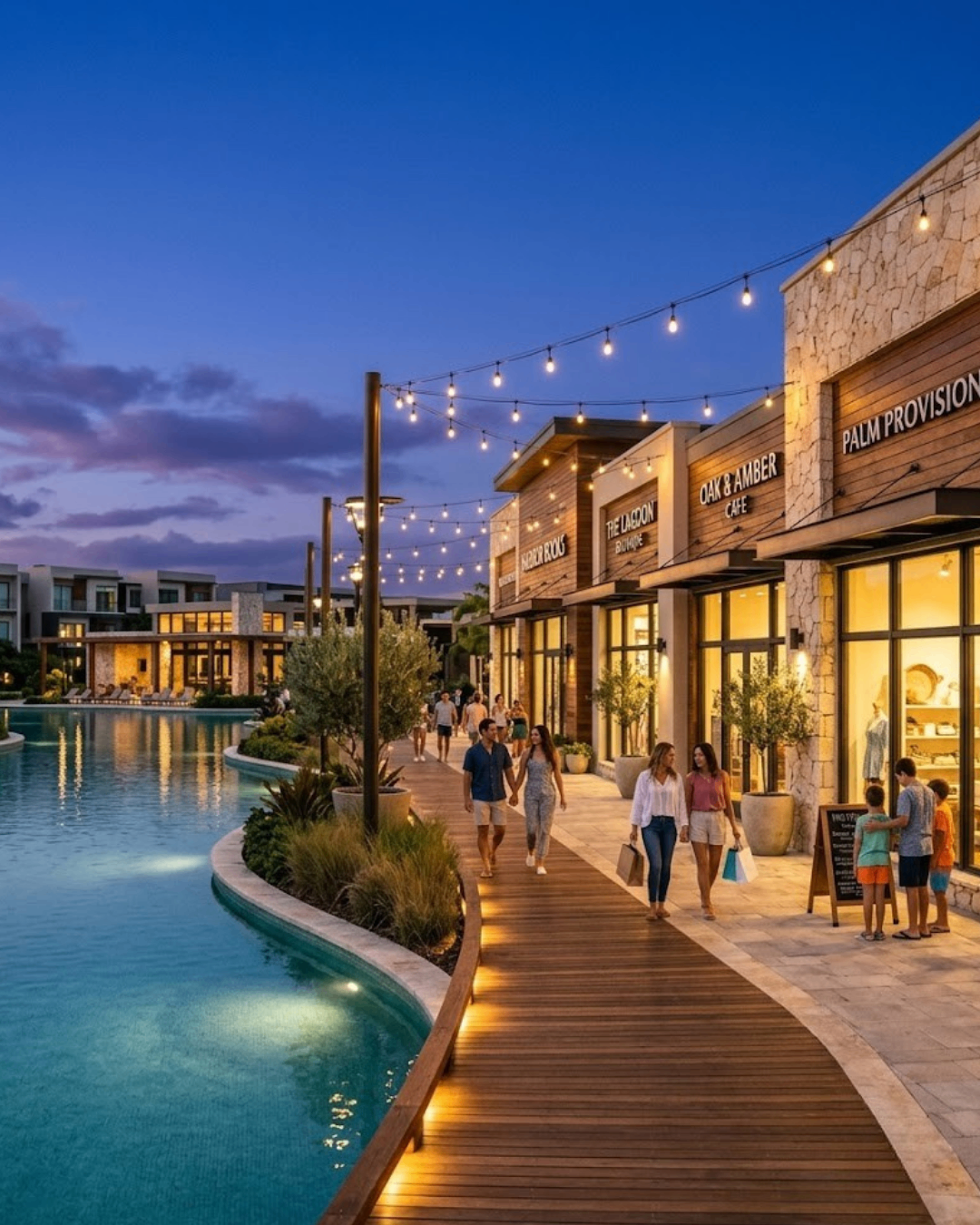
Shop the Promenade
Stroll through a walkable promenade filled with shops, local businesses, and places to explore. Leander Springs will create a lively gathering place where residents can shop, spend time together, and support a growing local economy.
DINING
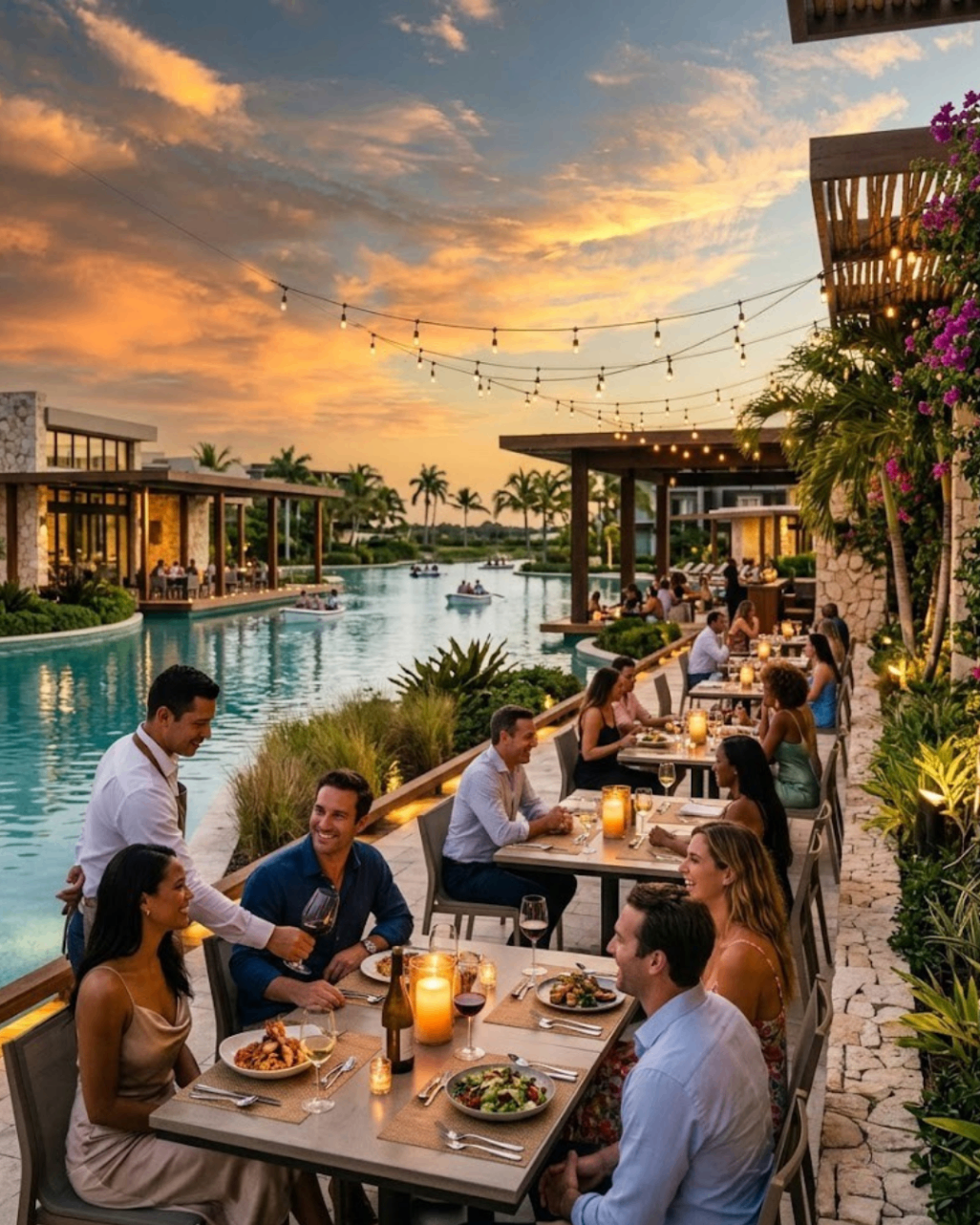
Dinner with a New View
Enjoy dinner overlooking the water, surrounded by the energy of a true destination. New restaurants and outdoor dining will give Leander residents more reasons to stay local for date nights, family meals, and evenings with friends.
RELAXATION
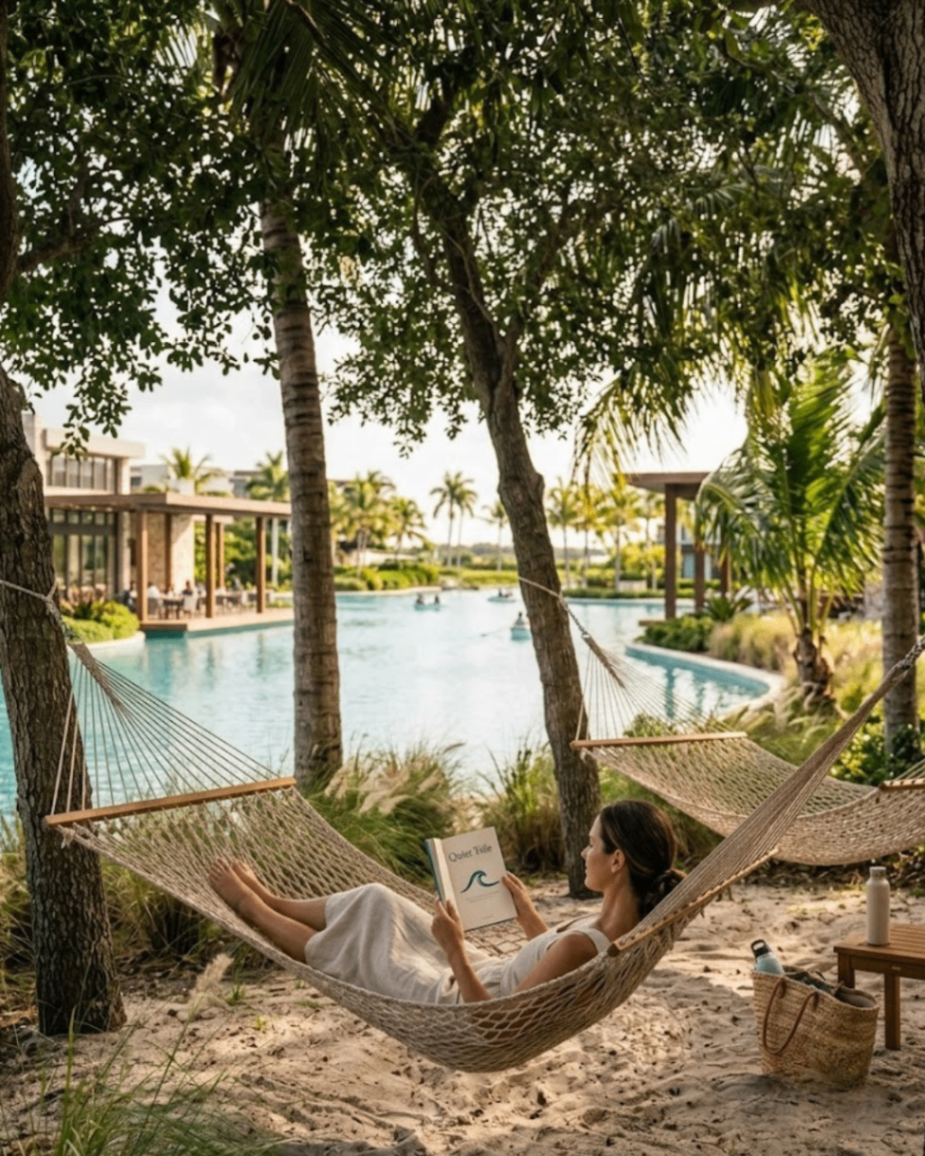
Hammock Grove Hours
Some of the best moments are the quiet ones. Hammock groves, shaded landscaping, and inviting green spaces will offer residents a place to slow down, recharge, and enjoy the outdoors.
ENTERTAINMENT
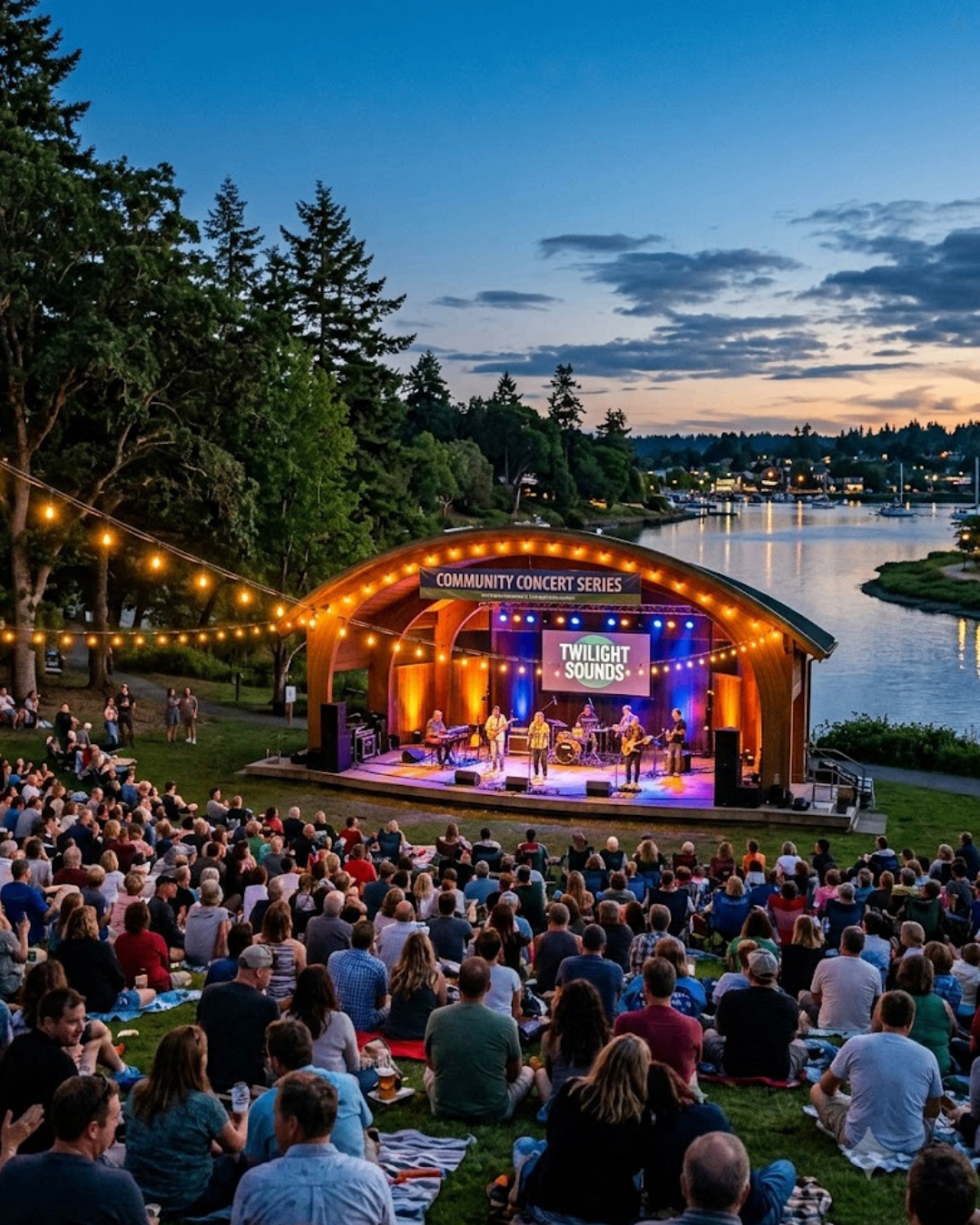
Live Music by the Water
Picture warm evenings, live music, and the lagoon as the backdrop. Leander Springs will create a new setting for concerts, community events, and nights that bring people together.
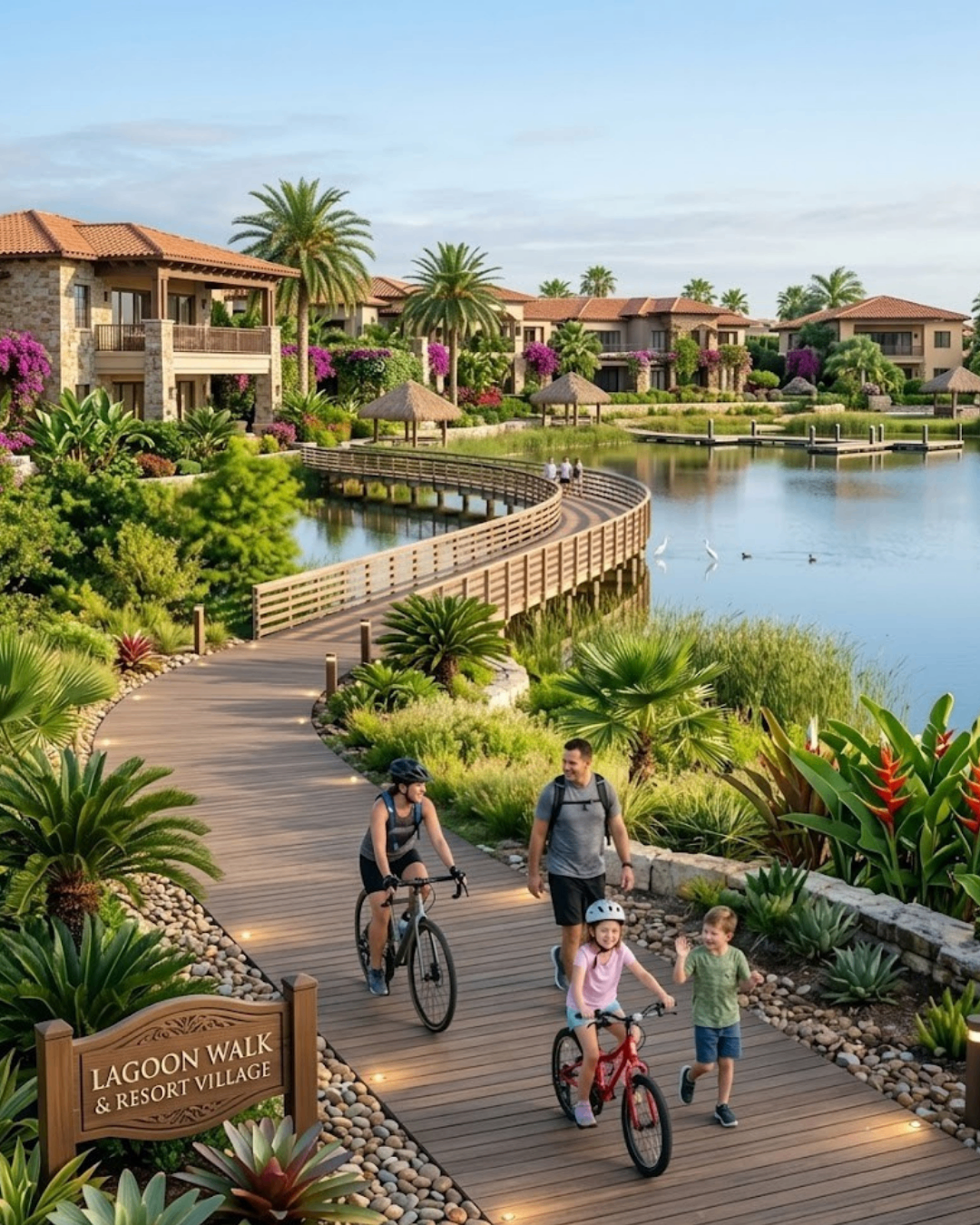
TRAILS
Walk It. Bike It. Live It. Love It.
Designed for movement and connection, Leander Springs will link walkable streets, public parkland, and the Mason Creek trail system. Residents will be able to walk, bike, explore, and experience more of the community without always getting in the car.
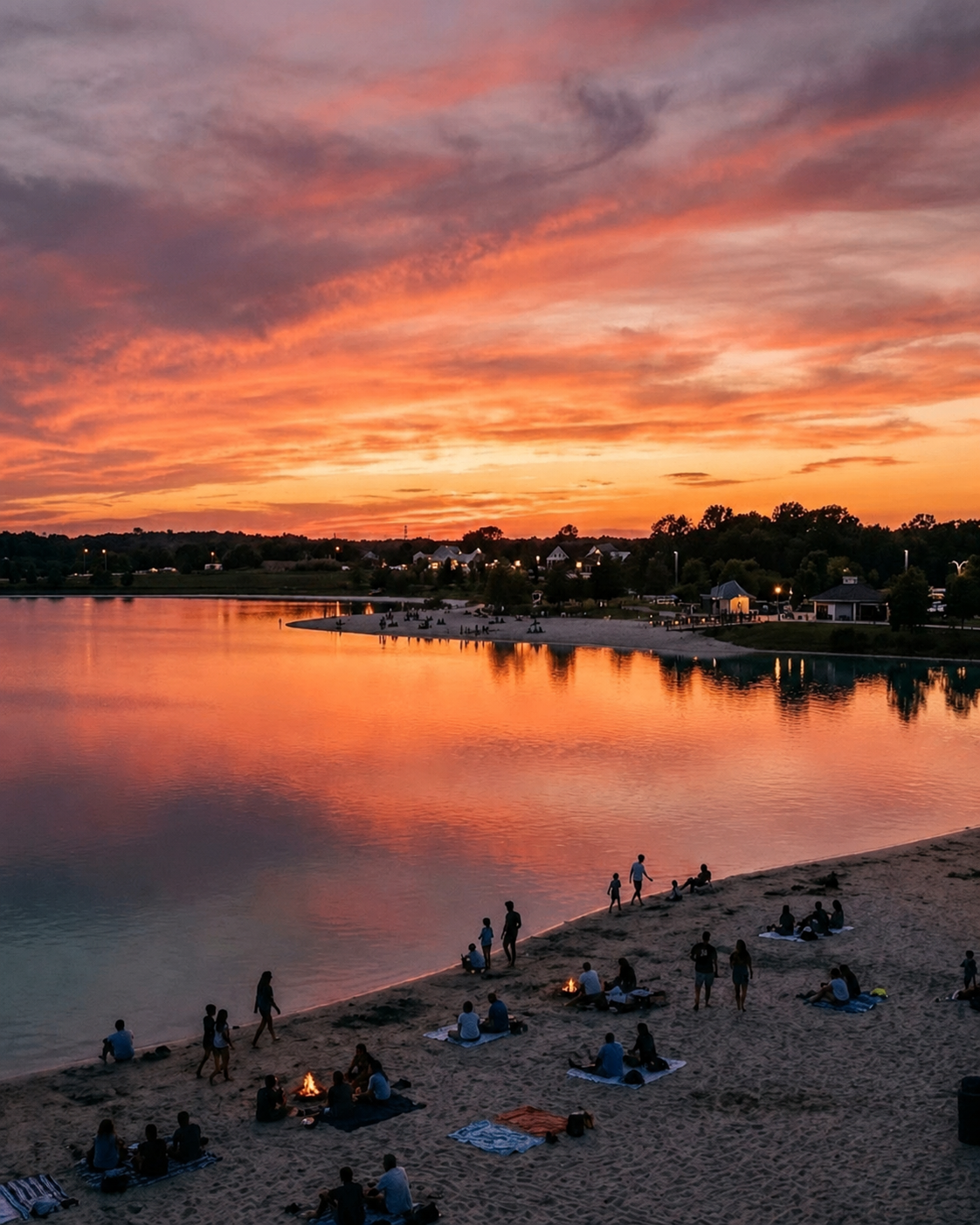
SUNSETS
Sunset on the Water
A quiet walk. Dinner with friends. One last view across the lagoon as the sun goes down. Leander Springs is designed to create the kind of everyday moments that make a community feel more connected and more alive.
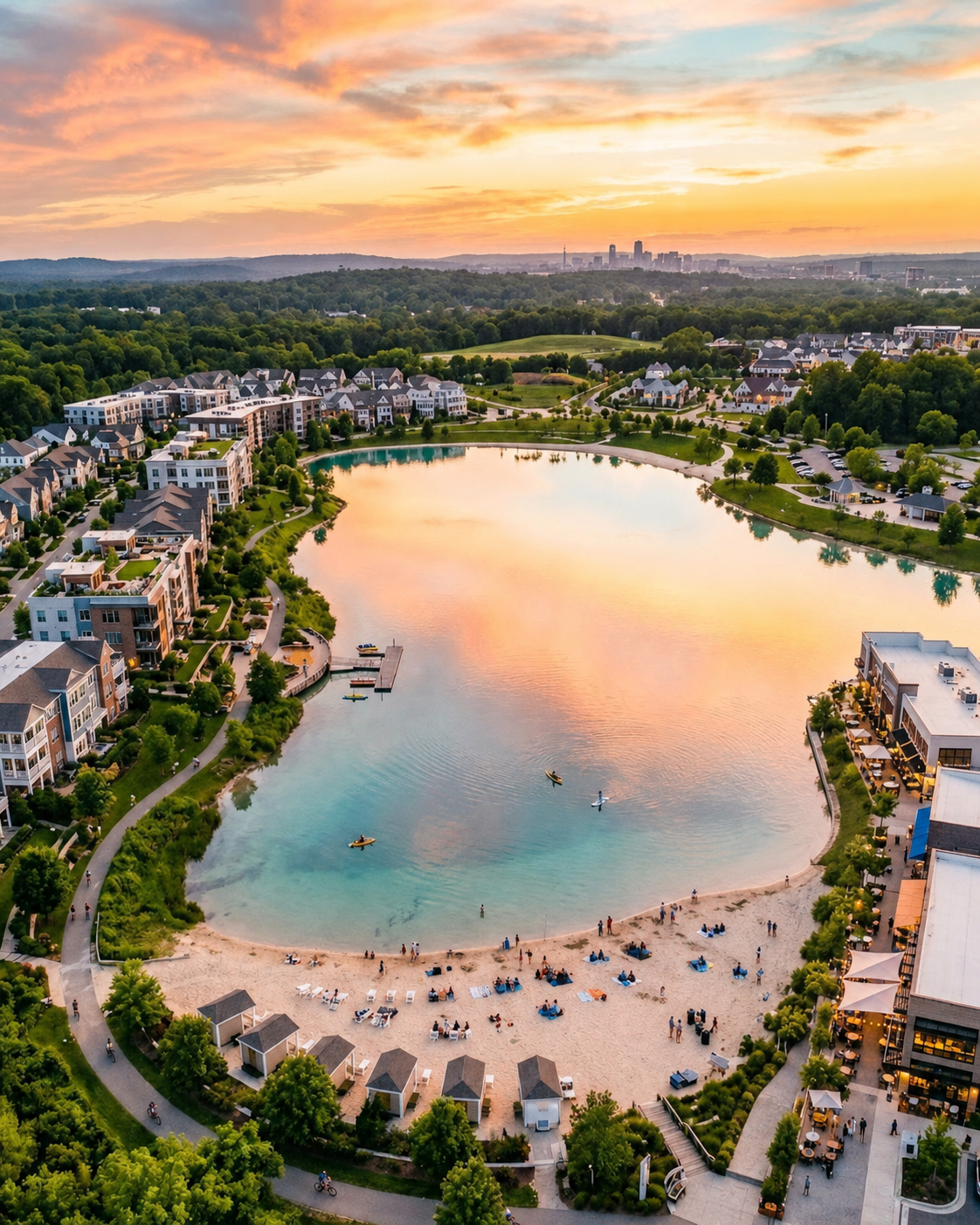
LIFESTYLE
Live. Work. Play.
Leander Springs brings homes, workplaces, dining, recreation, and public spaces together in one thoughtfully planned destination. It is a vision for growth that gives residents more ways to live, work, gather, and enjoy Leander.
Master Plan
What's actually being built.
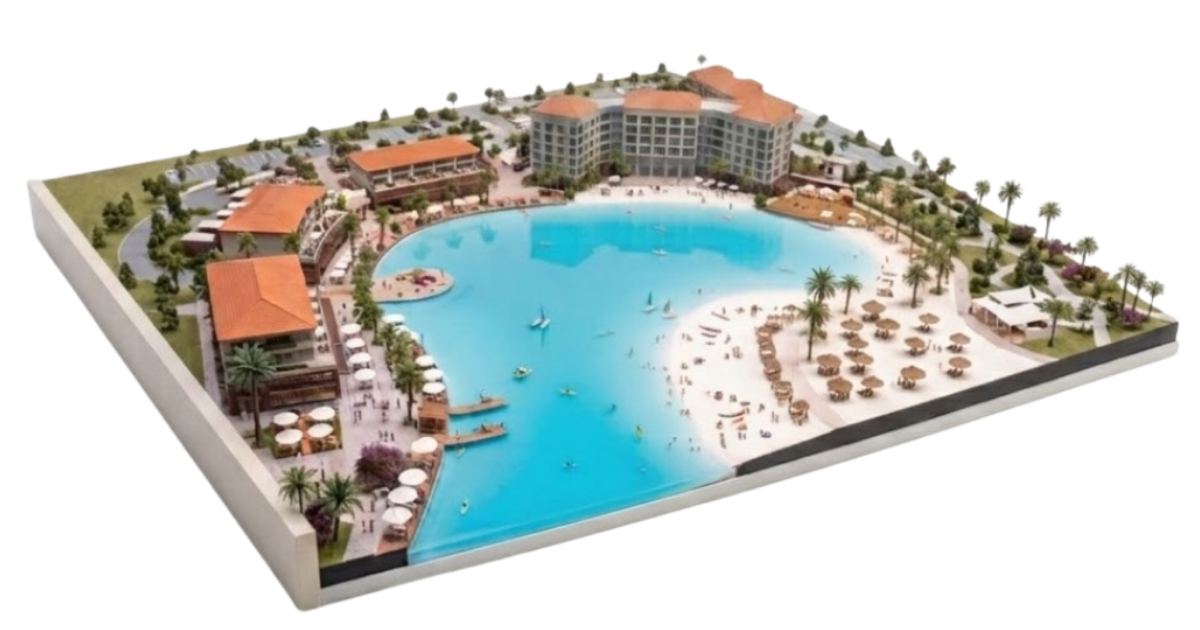
Residential
1,200 units of walkable, urban-suburban living woven into the community.
Hospitality
275-room hotel anchored by a 20,000 sq ft conference center.
Commercial
100,000+ sq ft of destination dining and open-air retail and 1M Sq Ft of commercial space.
Lagoon
A 4-acre chemical-free water amenity — Leander's signature landmark.
Parkland & Trails
21 acres of parkland connecting Mason Creek Trail to Brushy Creek.
Mass Transit
Minutes to downtown Austin via the Leander MetroRail station.
Daily Lagoon Maintenance · After Initial Fill
Once filled, the Lagoon runs on zero city water, deep-aquifer make-up, and chemical-free technology.
After the one-time initial fill, day-to-day operation relies on a private on-site well and a closed-loop treatment system — never Leander's drinking water. Backed by state-filed lithology logs, a 48-hour pump test, and independent engineering.
Zero city water for the Lagoon
Legally binding 'non-essential use' designation. The Lagoon is filled and maintained by a private on-site well — never Leander's drinking water.
Deep aquifer, isolated by nature
Our well draws from a confined sandstone formation 527–737 ft deep, with 520 feet of solid Gray Shale above it — a natural watertight barrier from shallow neighborhood wells.
Chemical-free VVater™ technology
An award-winning, chemical-free purification system that recycles up to 80% of water in a closed loop and uses wind-velocity optimization to reduce evaporation.
Voluntarily reduced density
We cut 400 multifamily units from the plan based on community feedback — saving roughly 80,000 gallons of city water per day compared to the original approval.
Zero wastewater with Zero Liquid Discharge
VVater's ZLD technology eliminates wastewater discharge entirely — recovering valuable resources and converting wastewater into reusable water and solids, without relying on chemicals, membranes, or evaporative processes. It consumes roughly 25% less energy than conventional ZLD systems and requires minimal maintenance.
Zero chemicals, zero consumables
Unlike traditional systems that depend on chlorine, dosing chemicals, or replaceable filters, VVater's process is entirely chemical-free and consumable-free. That means no chemical dependency, no complex byproduct disposal, and dramatically lower long-term operating costs.
Daily Water Use · 4-Acre Footprint
The Lagoon uses less water than what would be built otherwise.
Result: 50–70% less daily water demand than standard apartments or commercial retail on the same 4 acres.
Economic Impact
Real dollars, coming home to Leander.
Independent analysis of the completed project — commercial tax revenue that directly relieves the burden currently carried by local homeowners.
Net fiscal benefit across all taxing districts
Yearly taxable sales generated
Permanent jobs created
Construction job-years
New taxable property value
Hotel Occupancy Tax funds local parks & arts
Property tax relief for homeowners
A $1B commercial destination on 78 previously-raw acres dramatically expands the city's tax base — potentially lowering the residential property tax ratio required to fund Leander and Leander ISD.
Public parks, arts, and trails
Hotel Occupancy Tax revenues from our 275-room hotel must, by Texas law, be reinvested into local tourism, cultural arts, and civic park infrastructure — plus Mason Creek Trail connects to the Brushy Creek trail system.
Take Action
Help Shape Leander's Future
Leander Springs is about more than a new development. It is an opportunity to bring new restaurants, local jobs, public trails, parkland, entertainment, and meaningful tax revenue back into our community—while protecting Leander's city water supply.
Send a quick email to City Council and let them know you support a project designed with Leander residents in mind. It takes less than a minute, but your voice can make a real difference.
Support Leander SpringsVisual Tour
A closer look.
Frequently Asked
Facts Over Fear.
The community and City Council have asked important questions about water, sustainability, public access, and the project’s long-term impact. Here are the answers based on the project’s engineering, hydrogeology, development agreements, and independent studies.
*Data is being reviewed and adjusted as we obtain the expert inputs and advice.
No. The Lagoon is designed to use zero city water for its regular filling and operation. It will be supplied and maintained through a private on-site well drawing from the deep Middle Trinity aquifer.
The Lagoon is also classified as a non-essential water use, allowing the City to restrict or deny municipal backup water during severe drought conditions.
Leander Springs is expected to expand the local tax base through commercial property value, destination retail, hospitality, and taxable sales.
The project is also expected to generate new permanent jobs, construction activity, public parkland, trail connections, restaurants, shopping, entertainment, and Hotel Occupancy Tax revenue that can support eligible local tourism, arts, and civic amenities.
The Lagoon is designed to use less daily water than standard apartments or commercial development occupying the same four-acre footprint.
The project’s closed-loop treatment system recovers 80% or more of the water it processes — recovery yields typically run 80–95% depending on the source water and reuse target (Grey to Safe Reuse: 90–95%; Grey to Potable: 90%; Black to Safe Reuse: 88%; Black to Potable: 80–85%).
The commonly cited “up to 80%” figure refers to a separate metric: overall facility water demand reduction — how much the system cuts fresh-water intake. In short: recovery yield runs up to 90–95%, and facility water demand reduction runs up to 80%.
The well operates primarily to replace evaporation and normal operational losses. Groundwater from the Lagoon well will not be used for landscaping or secondary irrigation.
Yes. Under the project’s governing agreements, at least 70% of the Lagoon beachfront must remain accessible to the general public.
Leander residents are also guaranteed a permanent 40% discount on standard public admission. Final admission pricing will be established by the future facility operator before opening*.
*Subject to Chapter 380 economic development agreement reinstatement.
The project’s hydrogeologic analysis predicts no impact on nearby shallow residential or exempt wells.
The production well draws from a deep Middle Trinity sandstone formation that is separated from shallow groundwater sources by approximately 520 feet of dense Gray Shale. This natural geological barrier prevents vertical communication between the project’s water source and the shallow formations used by most nearby residential wells.
Site-wide geotechnical testing also found no hydraulic connection between the deep aquifer, surface creeks, and shallow groundwater.
Yes. The project has completed a site-specific groundwater availability assessment, exploratory drilling and lithology analysis, certified laboratory water testing, and a continuous 48-hour pumping test.
The work was completed under the supervision of a licensed Texas professional geoscientist.
No. The production well does not draw from the Lower Trinity Aquifer.
During exploratory drilling, the Lower Trinity zone was tested and found to contain water with elevated dissolved solids. That portion of the exploratory well was sealed with concrete. Production is restricted to the cleaner Middle Trinity sandstone formation.
The project well was continuously pumped at approximately 95 gallons per minute for 48 hours—about 15 times the anticipated long-term average operating demand.
After pumping stopped, the aquifer returned to static equilibrium within approximately four hours. This demonstrated a strong and rapid pressure recovery response.
Long-term modeling indicates that the project’s groundwater needs can be sustained over a 30-to-50-year horizon, including periods of historical drought.
At a one-mile perimeter, projected pressure-level changes are approximately 3.2 feet after one year, 4.3 feet after 10 years, and 5 feet after 30 years. The deep aquifer remains under strong confined, artesian conditions.
The initial filling is expected to occur over approximately one to two months.
After the Lagoon is filled, the well will operate intermittently to replace evaporation and other normal water losses. The treatment system is designed to recover and reuse up to 80% of water from internal treatment and filtration processes.
The project’s modeled average net make-up demand is approximately 20 gallons per minute annually.
The Lagoon is classified as a non-essential water use. During severe drought conditions, the City may restrict or deny access to municipal backup water.
Detailed procedures governing private-well operation during each drought stage will be established through the project’s final engineering and operational plans.
The closed-loop treatment system is also designed to reduce ongoing replacement demand by recovering and reusing up to 80% of internally processed water.
The proposed VVater system uses an electricity-based treatment platform designed to treat the well water without traditional chemical dosing.
The process uses electrocoagulation, flocculation, and clarification to remove contaminants without consumable filters or membrane systems.
The final certified operator of record will be designated before the facility begins operating.
The proposed VVwater system is designed to operate without traditional chlorine dosing or chemical monolayer films on the water’s surface.
Instead, the project proposes a chemical-free treatment process combined with a mechanical wind-velocity optimization system intended to reduce evaporation across the Lagoon.
The proposed system uses a Zero Liquid Discharge approach.
Backwash water is treated and recovered for reuse rather than released as liquid wastewater. The system is designed to produce a small volume of dry solid residual material without creating waste from disposable filters or plastic membranes.
The final residual-handling plan will be coordinated with City staff before building permits are issued.
No. Pumping groundwater from the Lagoon’s production well for landscaping or secondary irrigation is prohibited.
The well is intended specifically for filling and maintaining the Lagoon.
If the primary well is temporarily unavailable, the project’s proposed private contingency options include a secondary on-site well or short-term water deliveries from verified third-party providers.
During severe drought restrictions, the project cannot assume that Leander’s municipal water system will be available as a backup source.
No. Leander Springs has maintained the same master developer since the project was announced. iLand Development Group and Andrey Derevianko are not directly running the project.
Due to unforeseen major delays, the key investor group is now in charge and driving the project to completion.
Large mixed-use destinations are developed over many years, and continuity of ownership supports consistent planning, accountability, and long-term execution.